
What Is Chaat? A Guide to Tangy Indian Snacks and Street Food
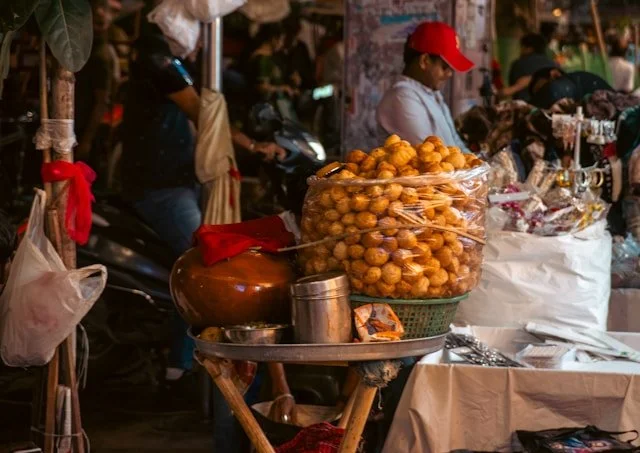
If you have ever stood at a roadside stall in India and watched a vendor build a snack in front of you, layer by layer, you already know the joy of chaat. Loud, messy, bright, and built for sharing, it is one of the most beloved corners of Indian street food. Here is what chaat actually is, where it comes from, the dishes worth seeking out, and how our own Pukka Chaat fits into the wider world of chaat.
What "Chaat" Means
The name says a lot about the experience. "Chaat" traces back to a root meaning to lick or to taste, the kind of food so good you end up licking your fingers between bites. That sense of relish, of eating eagerly and a little noisily, is baked into the word itself.
The Ingredients Behind Chaat
Chaat is not a single dish but a whole family of savoury Indian snacks, usually sold by street vendors and food carts across the subcontinent and eaten as a snack or starter. While every region and every street corner has its own version, almost all chaat is built from the same five building blocks:
A starch base. The foundation that gives the dish its body, often puffed rice, crisp fried dough, boiled potato, or a fritter.
Vegetables. Sharp raw onion, fresh diced tomato, boiled potato, and other fresh additions.
Chutney. The sweet-sour-herby layer that pulls it together. The most common are tamarind chutney (sweet and tangy) and a fresh green mint or coriander chutney, sometimes joined by a fiery red garlic chutney.
Chaat masala. A light sprinkling of chaat masala, the signature spice blend that ties almost every chaat together.
A crispy topping. The satisfying crunch on top, usually sev (thin noodles made from chickpea flour) or fried chickpeas, finished with fresh coriander.
Cool yoghurt also turns up in many chaats, spooned over to balance the spice, though a few of the crunchier ones skip it entirely.
The Key to Chaat: Chaat Masala
If chaat has a soul, it is chaat masala. This is the spice blend that makes chaat taste unmistakably like chaat, and it is what separates a great chaat from a flat one.
The blend is built around two distinctive notes. The first is amchur, dried green mango powder, which delivers that bright, sour tang. The second is kala namak, or black salt, which brings a savoury, almost sulphurous depth you cannot fake with regular salt. Around those two sit toasted cumin and coriander, dried ginger, black pepper, and a touch of chilli. Together they create the sweet, sour, salty, and savoury punch that defines the whole family of dishes.
At Pukka, our Indian restaurant on St. Clair West, we grind our chaat masala fresh in-house every day, so it lands bright and aromatic on the plate rather than dull and pre-packaged.
Popular Chaat Dishes You Must Try
Chaat is a huge family and a beloved corner of Indian cuisine, and half the fun is working your way through it. Here are some of the classic chaat dishes worth knowing:
Aloo Chaat
Crispy fried potato tossed with tangy chutneys, chaat masala, onion, and a shower of sev. Simple, punchy, and a great introduction to chaat.
Aloo Tikki
Boiled potato mashed and mixed with spices, then shallow-fried into a patty that is crisp outside and soft within, served with chutneys and cool yoghurt. Think of it as a spiced cousin of the hash brown. It is one of the dishes we make at Pukka Catering for custom events.
Bhel Puri
A Mumbai favourite of puffed rice, crisp puri pieces, onion, tomato, and chutneys, finished with sev. Light, crunchy, and one of the few chaats usually made without yoghurt.
Dahi Vada
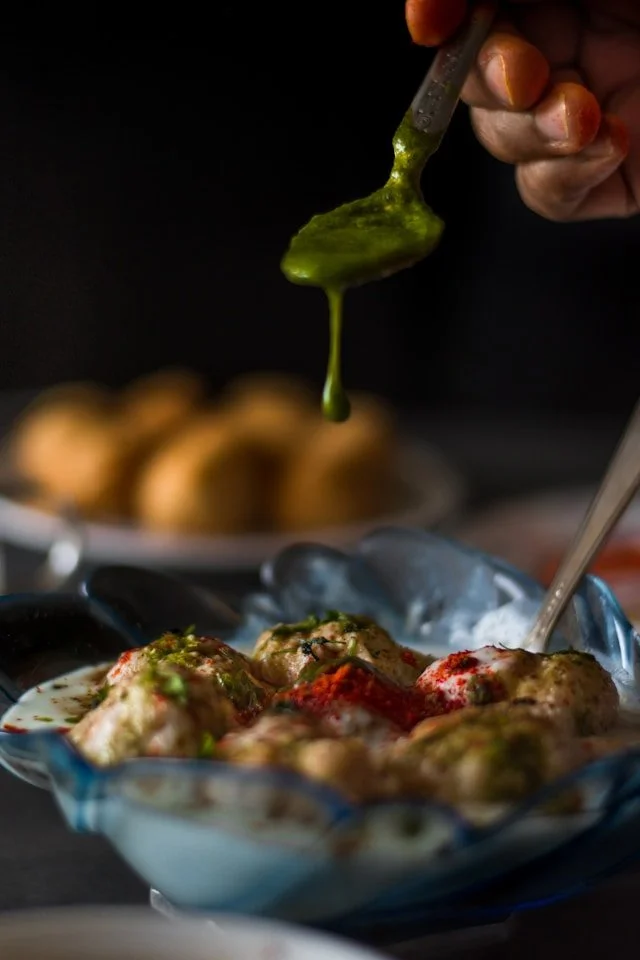
Soft lentil fritters soaked until pillowy, then drenched in cool yoghurt and topped with sweet tamarind chutney and spices. One of the oldest dishes in the family, with versions recorded centuries ago.
PaniPuri (or Golgappa)
Hollow, crisp little puris filled with spiced potato and chickpea, then dunked in tangy, spicy flavoured water made with mint and tamarind and eaten whole in one bite. Known by a dozen regional names, including puchka and golgappa. We have served panipuri on tasting menus at Pukka, and it can be made for catering events.
Papri Chaat
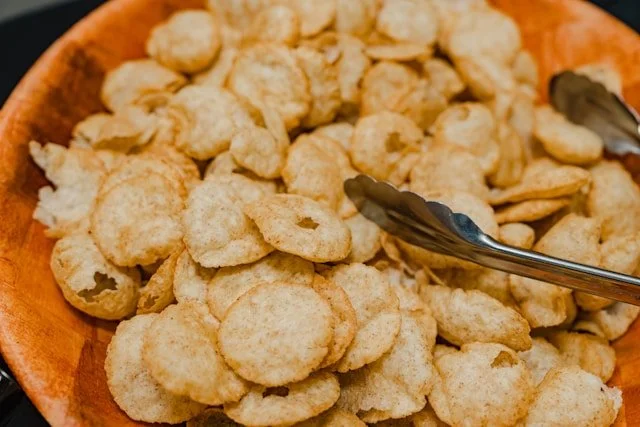
Crisp flat crackers (papri) layered with potato, yoghurt, sweet and green chutneys, sev, and chaat masala. Creamy, crunchy, and tangy all at once.
Shakarkandi Chaat
Roasted sweet potato tossed with lemon and chaat masala. A simpler, warming, sweet-and-tangy chaat that is a wintertime comfort food in northern India.
Samosa Chaat
Samosas broken open and topped with chutneys, yoghurt, chickpeas, onion, and sev. Hearty enough to eat as a small meal.
Sev Puri
Crisp flat puris topped with potato, onion, tomato, and chutneys, then buried under a generous pile of sev meant to add texture. Light and built for snacking.
And our own: Pukka Chaat.
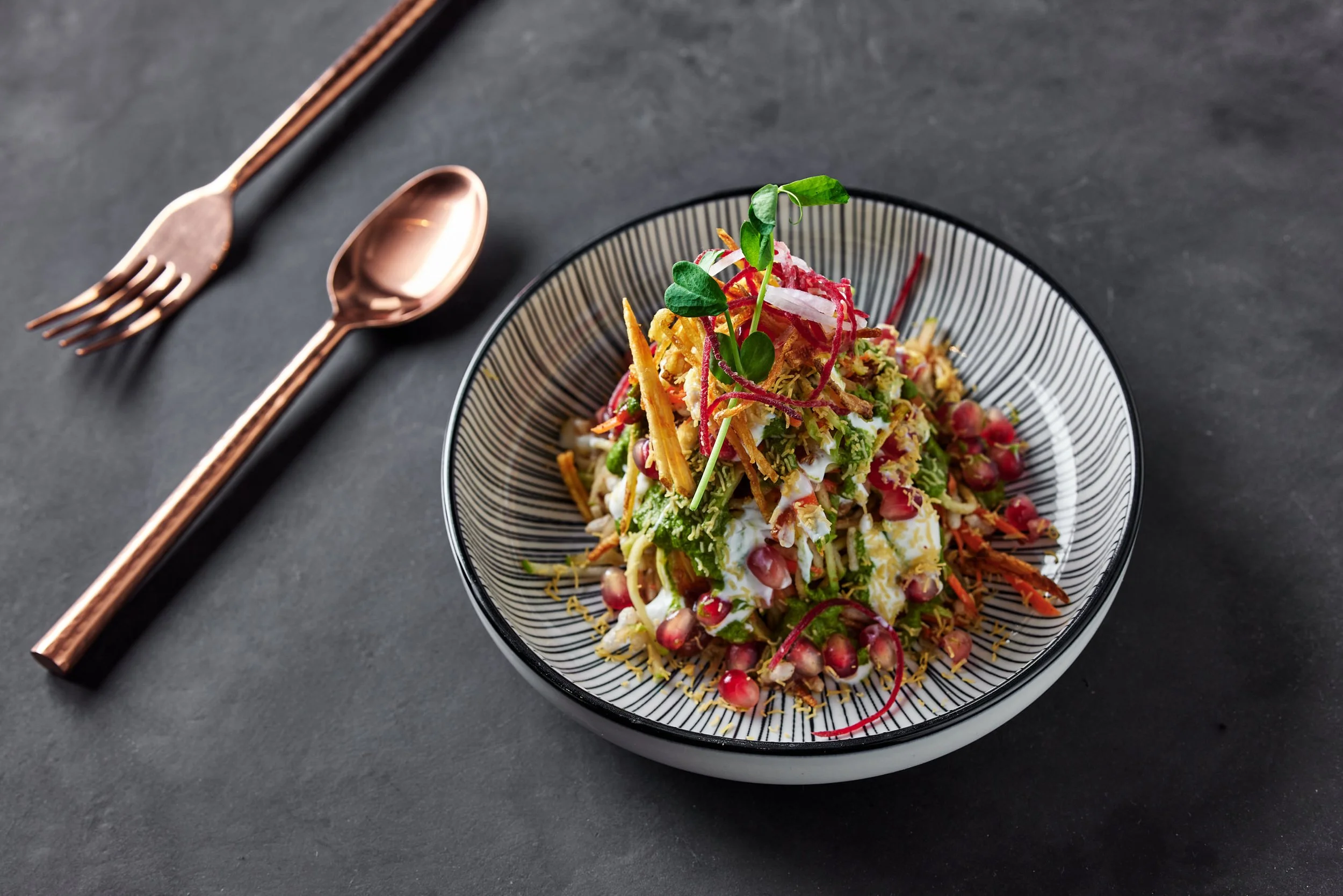
If you had to place ours on this list, it sits closest to bhel puri, the light, puffed-rice classic. We took that spirit and made it fresher and more salad-like, with sweet mango, tart green apple, ruby pomegranate, sprouted mung beans, house-made mint and tamarind chutneys, cool yoghurt and crisp thin fried potato bits for crunch. More on how it came to be just below.
A Snack With Deep Regional Roots
Chaat is closely tied to northern India, and to Uttar Pradesh in particular. Still especially popular in northern India today, it has since spread and evolved across the subcontinent. That is part of what makes it so endlessly varied. Almost every region, and arguably every street corner, has its own version. Bhel puri in Mumbai, papri chaat in the north, aloo (potato) chaat, dahi vada soaked in yoghurt, the list goes on. The shared DNA is that contrast of crunchy, soft, sweet, spicy, and tangy all in one bite.
Where Pukka Chaat Comes In
Our Pukka Chaat is our own fresh take on that tradition. It is inspired by the version I grew up eating at my mother's table in Chandigarh, in northern India, the heartland of chaat culture. My mother made it every Sunday, with extra pomegranate.
We kept the spirit and lightened the body. Many classic chaats are rich and a little greasy thanks to their fried elements. We wanted something brighter, so ours is built more like a salad, closest in spirit to bhel puri: a base of puffed rice, crisp vegetable strings, sweet mango, tart green apple, ruby pomegranate, house-made mint and tamarind chutneys, and cool yoghurt, finished with a chaat masala our chefs grind fresh every day. It is layered into a tall, colourful plate, so every forkful brings a slightly different mix of crunch, fruit, and tang, the way the best street food always does.
It is mild, refreshing, and full of layered flavour, a chaat that honours where it came from while feeling right at home on St. Clair West.
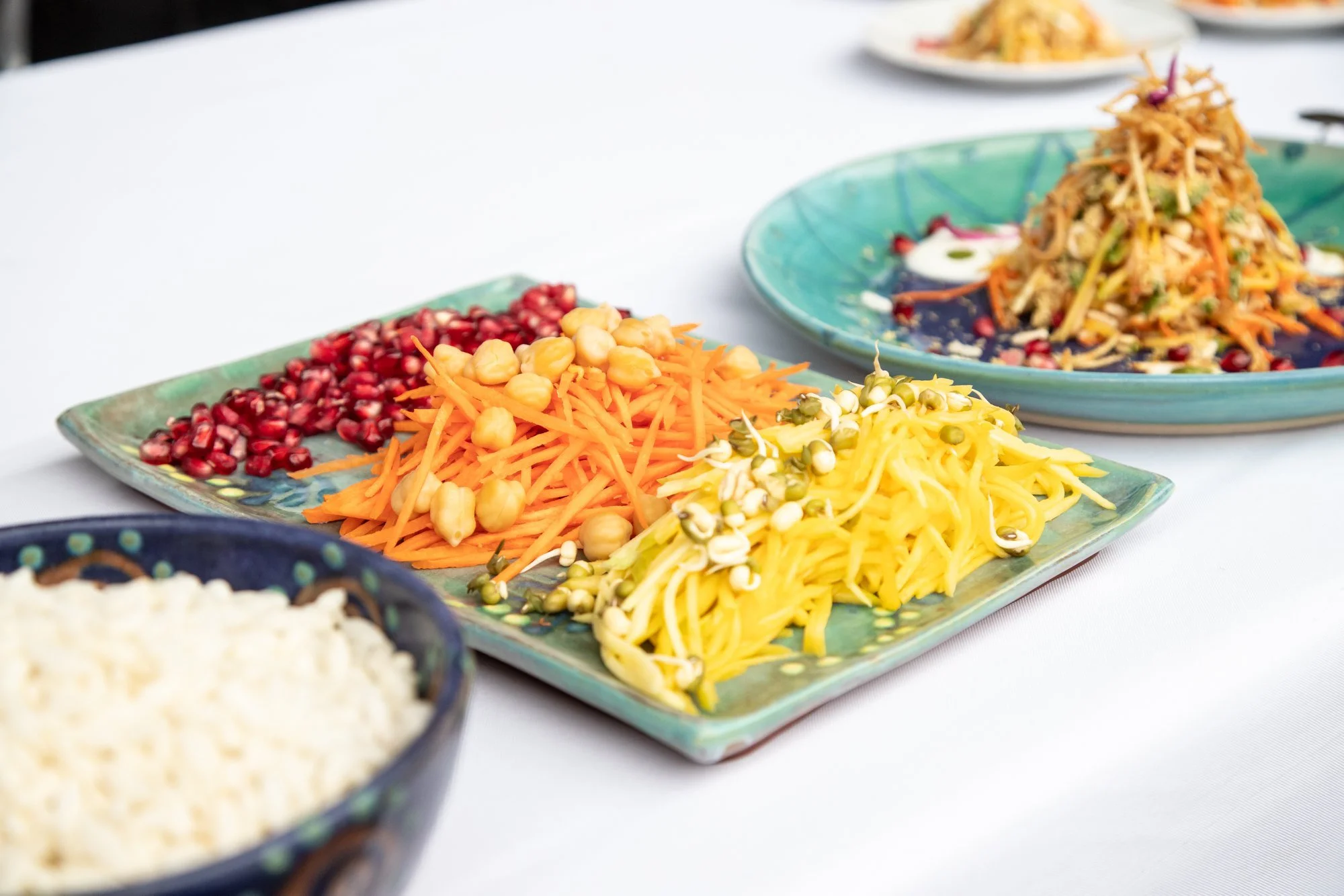
Want to taste it for yourself? If you are ever in the mood for something savoury, sweet, crunchy, and crispy all at once, there is no better way to satisfy the craving than with Pukka Chaat. It is one of the best chaats in Toronto, available for dine-in, takeout, and delivery. Come find us at 778 St. Clair Ave W.
FAQ
-
You will find a fresh, modern take on chaat at Pukka, 778 St. Clair Ave W. The Pukka Chaat is rooted in my family's recipe from Chandigarh, made with house-ground chaat masala, house-made mint and tamarind chutneys, fresh fruit and vegetables, and cool yoghurt. It is available for dine-in, takeout, and delivery across Toronto.
-
It depends on the chaat. Traditional chaat ranges widely, from deep-fried, indulgent versions to lighter ones built on fresh vegetables, fruit, legumes, and yoghurt. Most chaat is vegetarian, and many versions lean on chickpeas, yoghurt, and fresh produce. Our Pukka Chaat is a deliberately lighter, fresher take on the classic, with fresh fruit and vegetables and less of the heaviness that comes from fried elements, so it works beautifully as a light starter.

About the Author
Harsh Chawla, Co-Owner of Pukka. Born and raised in northern India, Harsh carries his homeland in his heart wherever he goes. He arrived in Canada with a background in business and marketing, and found his true passion in the restaurant world. The Pukka Chaat is inspired by the version his mother made at home in Chandigarh.